Legend has it that Merlin was from Wales, and that his Welsh name was Merrdin Emerys. I have read and re-read Mary Stewart’s trilogy about Merlin and Arthur (The Crystal Cave, The Hollow Hills, and The Last Enchantment) set primarily in Wales, and thus was excited to come to Wales and see it for myself.
There are scenes in the book set in Segontium, a Roman fort that, in the book, Ambrosius’ engineers re-built during the campaign to re-take Britain from the Saxons. And just a short walk from our hotel in Caernarfon is the ruins of Segontium. One thing to mark off my “must see” list – even though it was only from the coach (aka bus).
O.K., legend as recounted by Mary Stewart says that Ambrosius and his brother Uther were actually heirs to the British throne, but fled the country as children after their elder brother was assassinated by the Saxons. They were taken in by a king in Brittany and there grew up and built their forces. They were successful in returning to England and driving out the Saxons, but soon afterwards, Ambrosius died, and Uther became king. Uther was the father of Arthur. Merlin was given the infant Arthur to care for and had a great deal to do with his education and eventual coming to the throne after the death of Uther.
In the book, Merlin is born and lives in Wales and makes several journeys on horseback across it and to London. The landscape cannot be much changed since his time (other than the roads and fences, of course).

We drove through the Welsh countryside, skirting around Snowdonia, the highest mountain in Wales, and I quickly fell under the enchantment of the place.
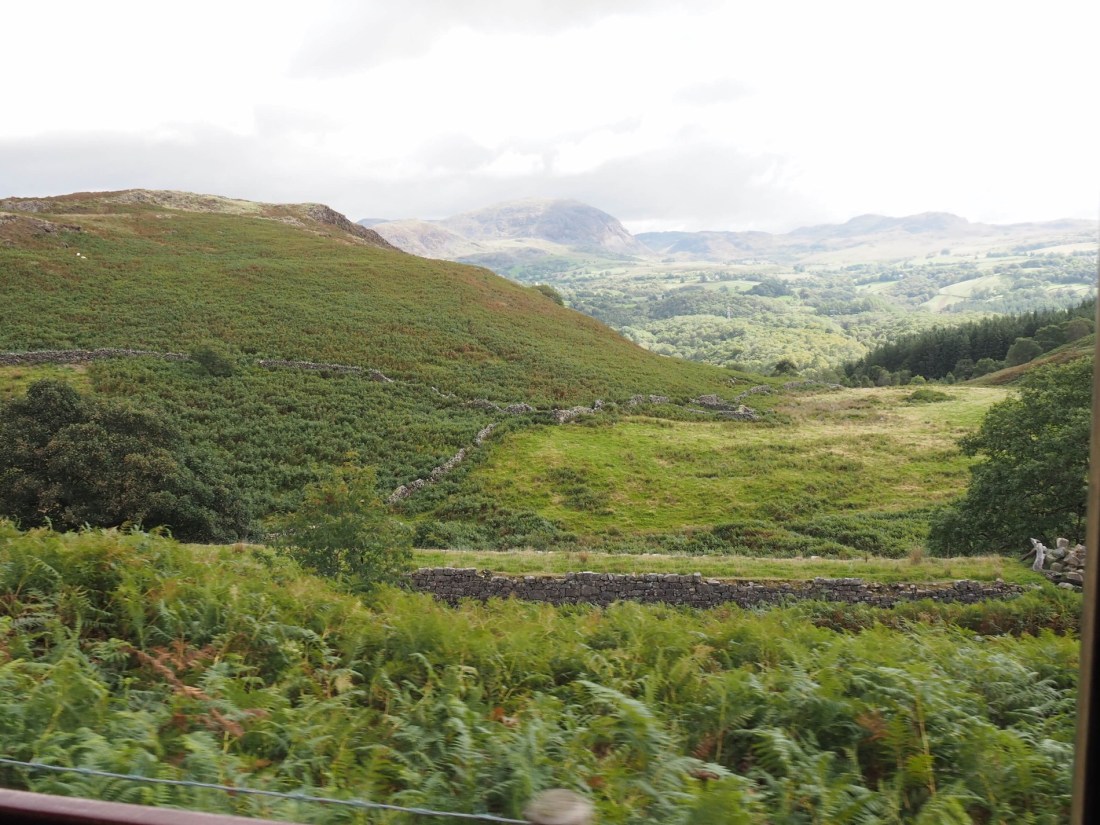
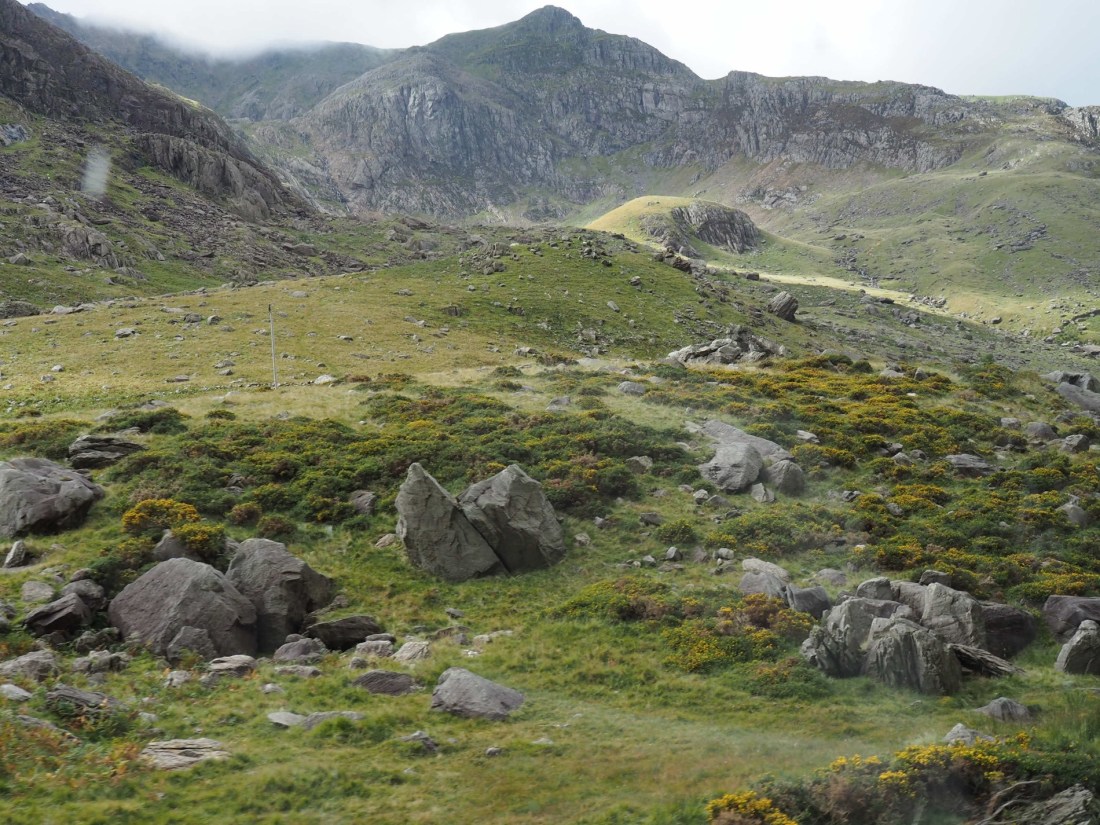
We went one day to Blaenau Ffestiniog to ride a famous narrow gauge railway built originally to carry slate from the quarries down to the river to be shipped all over the world. Now it carries tourists (and also some of the locals whose homes are only reached by train).


The engine pulling the train that day was a “Double Fairlie”, which has two sets of driving wheels, one in front and one behind, that swivel independently of each other so that the engine can navigate the sharp twists and turns of the railroad (0-4-4-0-T). It was built in 1879, re-built in 1988 by Boston Lodge Motors
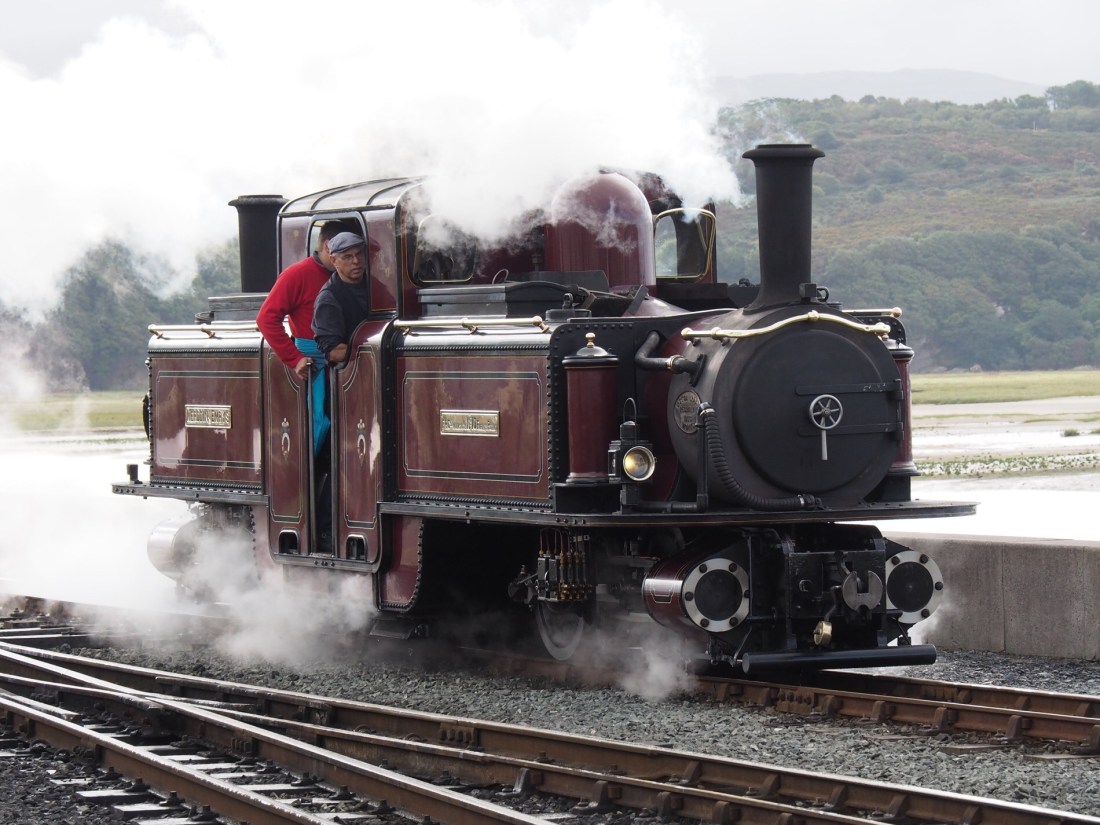
and lovingly maintained by a large team of volunteers. Here an engineer is filling an oil can, preparing to oil the undercarriage.
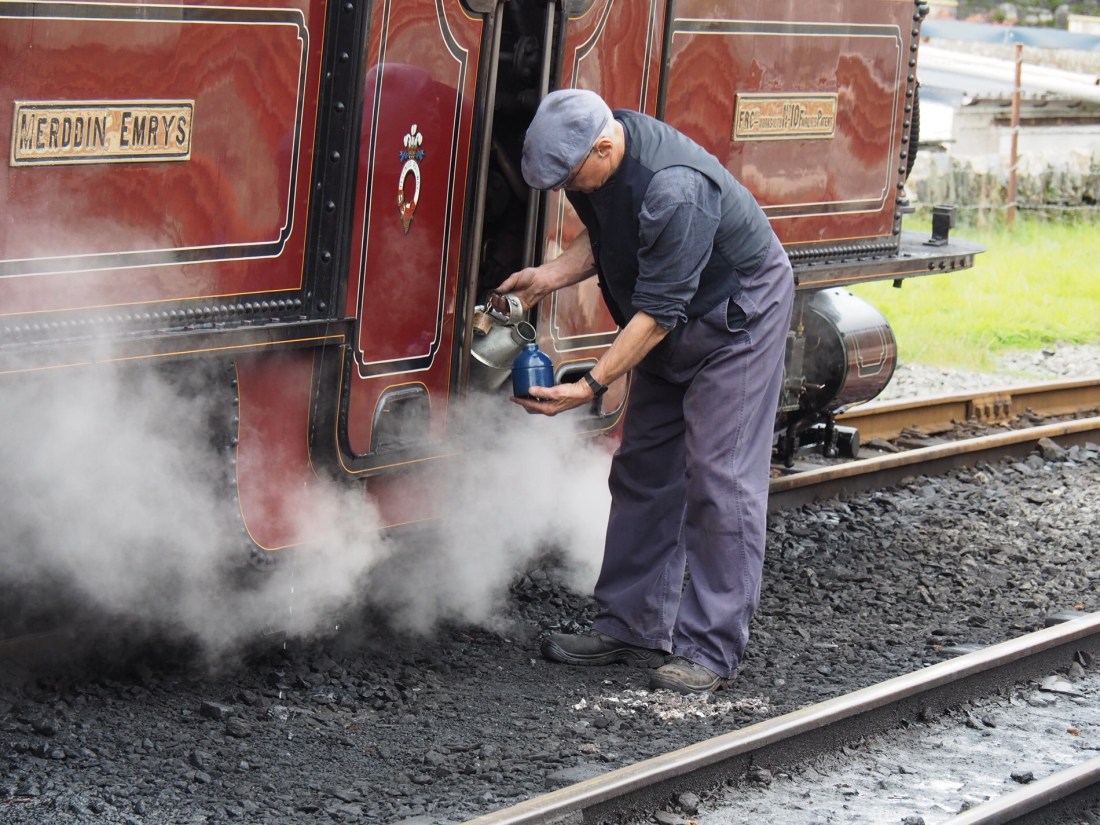
And, since it is a Welsh engine, I wasn’t too surprised to read its name plate:

Mary
Written in Wales, Posted from Edinburgh Friday, 9/14/18

 Mary's Travel Blog